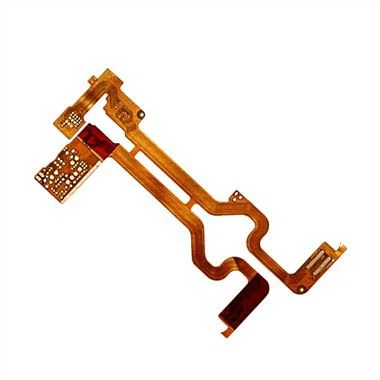
What role does PCB assembly play in the medical industry?
May 20, 2022
Printed circuit boards (PCBs) have an important place in healthcare and medicine. As the industry continues to innovate to provide the best technology for patients and their caregivers, more and more research, treatment and diagnostic strategies are moving towards automation. Therefore, more work involving PCB assembly is required to improve medical devices in the industry.
As the population ages, the importance of PCB assembly in the medical industry will continue to grow. Currently, PCBs play an important role in medical imaging devices such as MRIs and cardiac monitoring devices such as pacemakers. Even temperature monitoring devices and responsive neurostimulators enable state-of-the-art PCB technology and components.

With the advancement of PCB assembly technology, traditional wires and flexible wires have quickly become a thing of the past. In the past, traditional power sockets were often used to plug and unplug wires and cords, but modern medical innovations allow doctors to care for patients anytime, anywhere.
In fact, the mobile health market was estimated to be worth more than $20 billion as early as the year before, with smartphones, iPads, and other such devices enabling healthcare providers to easily receive and transmit vital medical information on demand. Thanks to advances in mobile medicine, you can better help patients by filling out documents, ordering equipment and medications, and researching certain symptoms or conditions with just a few mouse clicks.
Implantable Medical Devices
When it comes to implantable medical devices, the use of PCB assembly is further complicated as there is no uniform standard for all PCB assemblies to be compliant. In other words, different implants will achieve different goals in different medical conditions, and the instability of the implant will also affect the design and manufacture of the PCB. In any case, a well-designed PCB can enable deaf people to hear through a cochlear implant. Some are for the first time in their lives.
What's more, patients with advanced cardiovascular disease can benefit from an implanted defibrillator because they may be more vulnerable to sudden and unexpected cardiac arrest, which can happen anywhere or Caused by trauma.
electronic health record
In the past, the integration of electronic health records was very poor, and many electronic records lacked any form of connectivity. Instead, each system is a separate system that handles orders, documents, and other tasks in an independent manner. Over time, these systems have been integrated into a more comprehensive picture, which has allowed the healthcare industry to speed up patient care and greatly improve efficiency.
Huge progress has been made in integrating patient information. However, with the future ushering in a new era of data-driven healthcare, the potential for further development is virtually limitless. In other words, electronic health records will be used as a modern tool to enable the medical industry to collect data about the population; allowing it to permanently improve medical success and effectiveness.
In this way, the medical industry and the PCB industry have a close and inseparable relationship. The core medical technology and instruments are inseparable from the development and design of PCB!