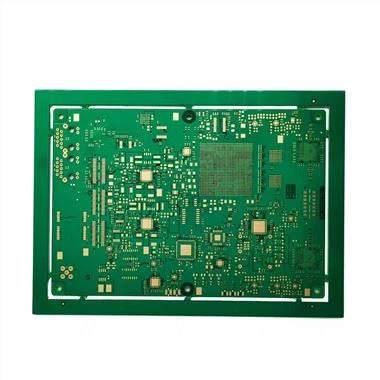
Flexible PCB Design Capability
Aug 23, 2023
When it comes to the manufacturing of flexible PCBs, the process capabilities are an essential factor to consider. The production of flexible PCBs is a complex process that involves multiple stages, including design, material selection, printing, laminating, drilling, plating, and solder masking. The following sections will discuss in detail the essential process capabilities required for manufacturing high-quality flexible PCBs.
1. Design Capability
Flexible PCB design is different from traditional PCB design. It requires a thorough understanding of the material properties, mechanical and electrical requirements, and how they interact with each other. A good design capability can ensure that the flexible PCB is perfectly matched with the device's mechanical and electrical requirements.
2. Material Selection Capability
Flexible PCB material selection plays a crucial role in the overall performance and durability of the PCB. The selection of materials depends on the application for which the PCB is needed. For example, if a PCB will be subject to high temperatures, then suitable substrate materials and adhesives must be used. The material selection capability plays a vital role in selecting the right material for the job.
3. Printing and Etching Capability
Printed circuit boards are made from copper, and the design must be transferred onto the copper surface before etching. The printing and etching capability of a PCB manufacturer is critical in ensuring precise and accurate transfers of the design layout. With a high printing and etching capability, cutouts, lines, and other components can be transferred appropriately, ensuring a high-quality finished flexible PCB.
4. Lamination Capability
Flexible PCBs are made by laminating copper layers and substrate materials together. The lamination capability of a manufacturer is crucial in ensuring that layers are correctly aligned and bonded. If layers are misaligned, the finished PCB may not work correctly or need to be completely reworked.
5. Drilling Capability
Drilling capability is an essential process capability in manufacturing flexible PCBs. The drilling process involves creating holes in the PCB for mounting components. With flexible PCBs, it is vital to have precise drilling capabilities to ensure that the holes are in the correct locations and have the proper size, shape, and placement.
6. Plating Capability
Plating capability is another process capability that is essential for manufacturing high-quality flexible PCBs. The plating process involves the deposition of metal on the copper surface to create the PCB's conductive paths. The plating capability of manufacturers is critical in ensuring that the conductive paths are uniform and of high-quality.
7. Solder Masking Capability
Solder mask is applied to the surface of PCBs to protect them from damage and oxidation. Solder masking capability is essential in ensuring that the mask is uniformly applied, enabling the PCB's components to be firmly mounted.
In conclusion, flexible PCB manufacturing requires a high degree of process capability across several stages, from design to material selection, printing, lamination, drilling, plating, and solder masking. Manufacturers with advanced process capabilities can create high-quality flexible PCBs that meet the requirements of their customers. Therefore, it is essential to select a reliable and experienced manufacturer with comprehensive process capabilities to ensure that your flexible PCBs are of the highest quality.