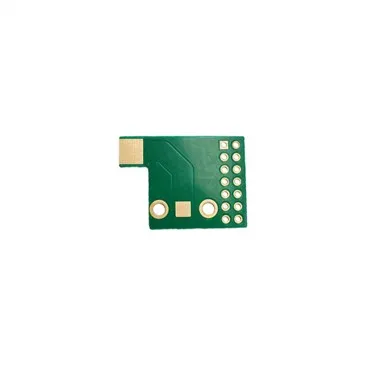
What Is The Long Flex PCBs
Apr 10, 2024
In the realm of electronic design and manufacturing, Long Flex PCBs (Printed Circuit Boards) are emerging as a game-changer, offering unprecedented flexibility and versatility. These elongated circuits, often referred to as "long flex," are transforming the landscape of various industries by enabling the creation of innovative products with unique form factors and enhanced functionality.
Introduction to Long Flex PCBs:
Long Flex PCBs are essentially flexible circuit boards that extend beyond the typical dimensions of traditional rigid PCBs. Unlike rigid boards, which are limited by their fixed shapes and sizes, long flex PCBs can be bent, twisted, and molded to fit into tight spaces or conform to irregular shapes. This extended flexibility opens up a world of possibilities for electronic designers and engineers, allowing them to create devices that were once thought impossible.
Advantages of Long Flex PCBs:
- Space-saving Design: Long flex PCBs are ideal for applications where space is limited, as they can be bent or folded to fit into compact or unconventional spaces within electronic devices.
- Reduced Weight: Compared to traditional rigid PCBs, long flex circuits are lighter due to their flexible substrate materials, making them suitable for weight-sensitive applications such as aerospace and automotive industries.
- Enhanced Reliability: Long flex PCBs have fewer interconnect points than rigid PCBs, reducing the risk of mechanical failures and improving overall reliability, especially in applications subject to vibration or shock.
- Cost Efficiency: Long flex PCBs can often simplify the assembly process by reducing the need for connectors and cables, resulting in lower manufacturing costs and fewer points of failure.
- Improved Signal Integrity: The flexible nature of long flex PCBs can help mitigate signal interference and crosstalk, leading to improved signal integrity and performance in high-frequency applications.
Applications of Long Flex PCBs:
- Wearable Electronics: Long flex PCBs are widely used in wearable devices such as smartwatches, fitness trackers, and medical monitors, where flexibility and comfort are essential.
- Foldable Devices: The rise of foldable smartphones and tablets has been made possible by advancements in long flex PCB technology, allowing for seamless folding and unfolding of electronic displays and components.
- Automotive Systems: Long flex PCBs are employed in automotive applications such as infotainment systems, instrument clusters, and advanced driver-assistance systems (ADAS), where space-saving design and reliability are critical.
- Aerospace and Defense: Long flex PCBs are utilized in aerospace and defense applications such as avionics, satellites, and military equipment, where lightweight, compact design, and ruggedness are essential requirements.
- Long Flex PCBs represent a significant evolution in electronic design and manufacturing, offering unparalleled flexibility, reliability, and versatility. With their ability to bend, twist, and conform to complex shapes, long flex circuits are driving innovation across a wide range of industries, from consumer electronics to aerospace and defense. As technology continues to advance, the adoption of long flex PCBs is expected to grow, enabling the development of even more sophisticated and innovative electronic devices in the future.